
Article
Your Edge Starts With You: How Traders Turn Good Reads Into Repeatable Results
Most traders do not fail because they cannot read charts. They fail because they cannot repeat their best decisions under pressure. This guide shows how to close that gap with a practical trader edge loop.

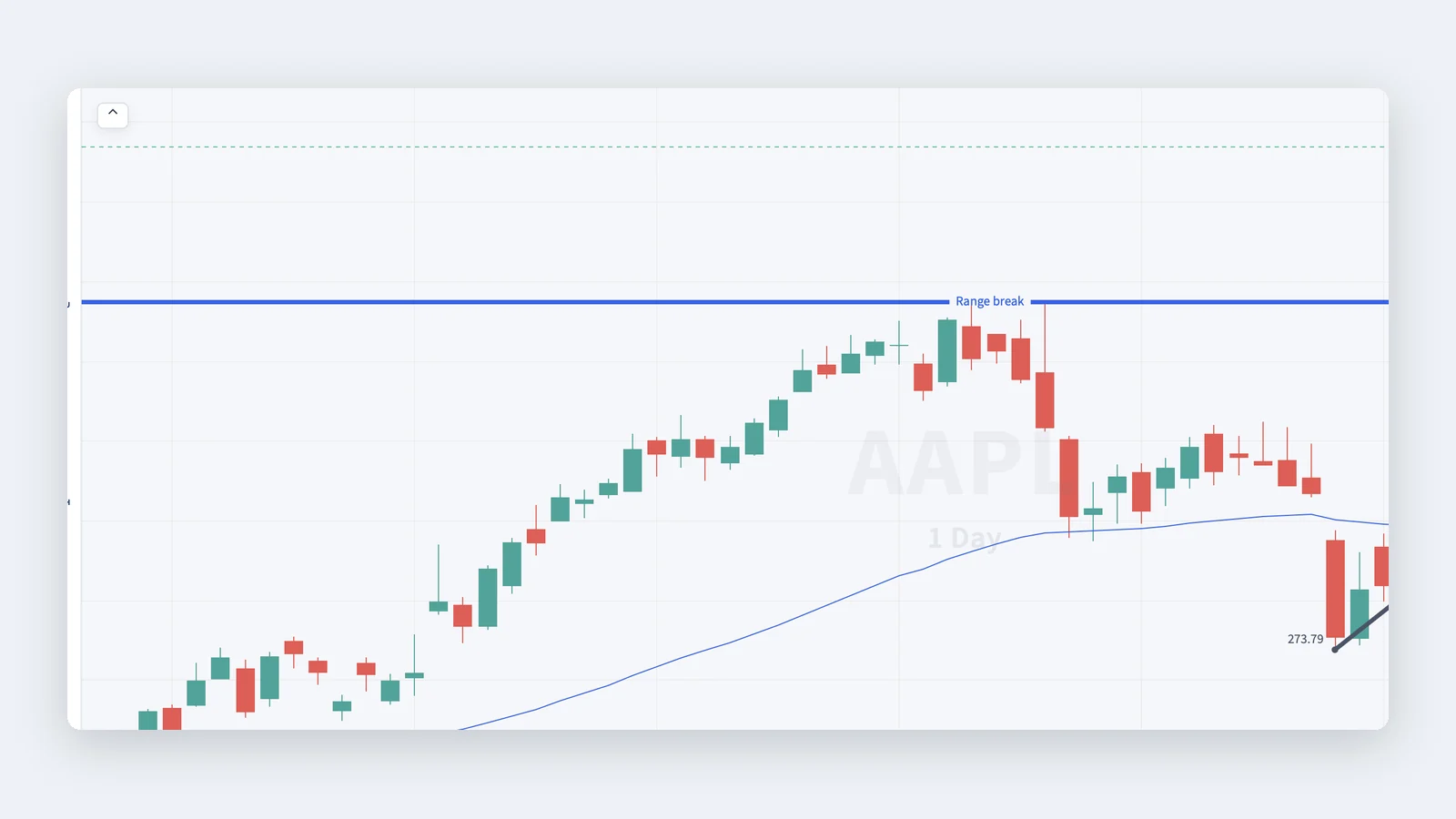
Most traders do not fail because they cannot read a chart. They fail because they cannot repeat their best decisions under pressure. That gap between what you know and what you execute is where edge leaks. Your edge starts with you, and it compounds when you run a structured loop: capture decisions, review behavior, upgrade rules, and operationalize the next version in live execution.
Why Most Traders Stall
Most traders do not fail because they cannot read charts. They fail because they cannot repeat their best process when conditions change. One clean day turns into a sloppy week. A valid setup is skipped. A weak setup is forced. Then the review sounds familiar: I knew better.
That sentence is the signal. The problem is rarely market understanding alone. The problem is translation from analysis to execution behavior under pressure.
Your edge starts with you. Not with a new indicator. Not with a louder signal feed. With your pattern recognition, your context reading, and your ability to improve your process week after week.
The practical question is not whether you can find setups. It is whether you can convert what you already see into a system you can actually run.
The Three Layers Most Traders Confuse
Traders usually mix three jobs into one conversation: reading structure, generating candidates, and improving execution reliability. The first two can look productive while the third quietly decays.
Your compounding edge lives in the third job. If decision context dies after each session, your process cannot learn from repeated mistakes.
MyLinedChart keeps chart analysis, decision context, and review fields in one operating loop so you can move from insight to enforceable execution controls without fragmentation.
For comparison framing, see TradingView vs TrendSpider vs MyLinedChart: Which One Strengthens Your Edge Week After Week?.
Edge Is Not a Setup. It Is an Improvement Rate
Many traders define edge as a setup pattern. That is incomplete. A setup can have expectancy and still fail in your hands if execution quality drifts.
A better definition is this: edge is your rate of process improvement. If two traders use similar setups, the one with faster, cleaner iteration usually wins over time.
That means you do not optimize only for finding trades. You optimize for how quickly you can detect breakdowns, tighten rules, and re-deploy improved behavior without creating chaos.
The trader edge loop captures that cycle: capture, review, rule upgrade, operationalize. That loop, repeated weekly, is where compounding comes from.
The Loop in Real Trading Days
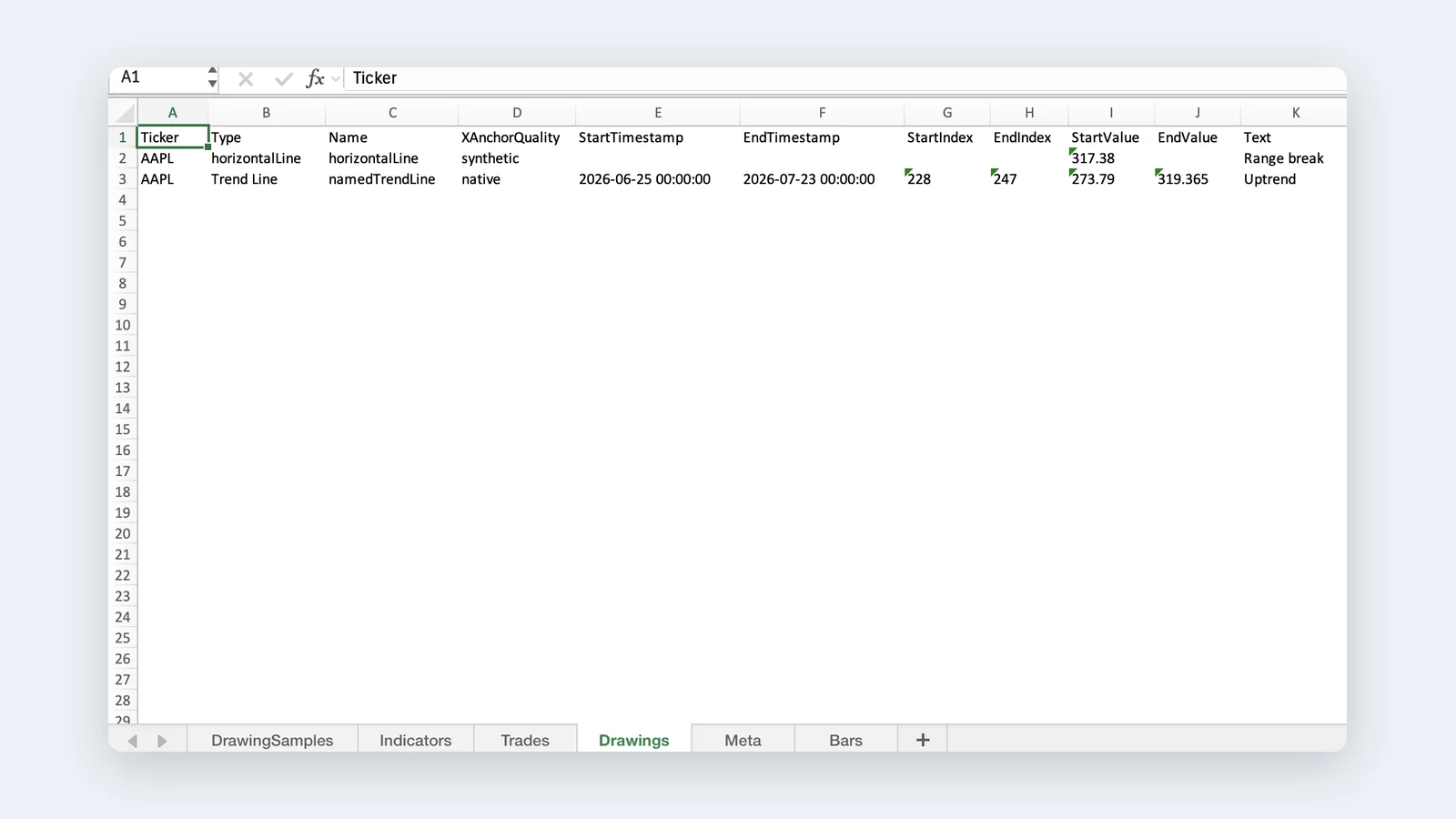
A good loop has to survive normal, messy weeks. Monday through Thursday, capture the decisions that matter: setup type, context, entry quality, exit logic, rule adherence, and emotional state at decision points.
On Friday, review what was A+ process regardless of P&L, which losses were valid versus avoidable, and which repeated mistake cost the most expectancy. Then upgrade one rule only.
On the weekend, operationalize that rule into next-session execution: checklist language, pre-session prompts, and post-session review fields. Keep it specific enough to run under stress.
This is where Claude Code and ChatGPT Codex help most. With structured chart-analysis workflow data, they can accelerate pattern detection and rule drafting, but the trader still owns the judgment and final constraints.
- Capture what happened with stable fields.
- Review behavior quality before outcome storytelling.
- Upgrade one rule with evidence, not emotion.
- Operationalize the rule before next open.
Where Traders Break the Loop
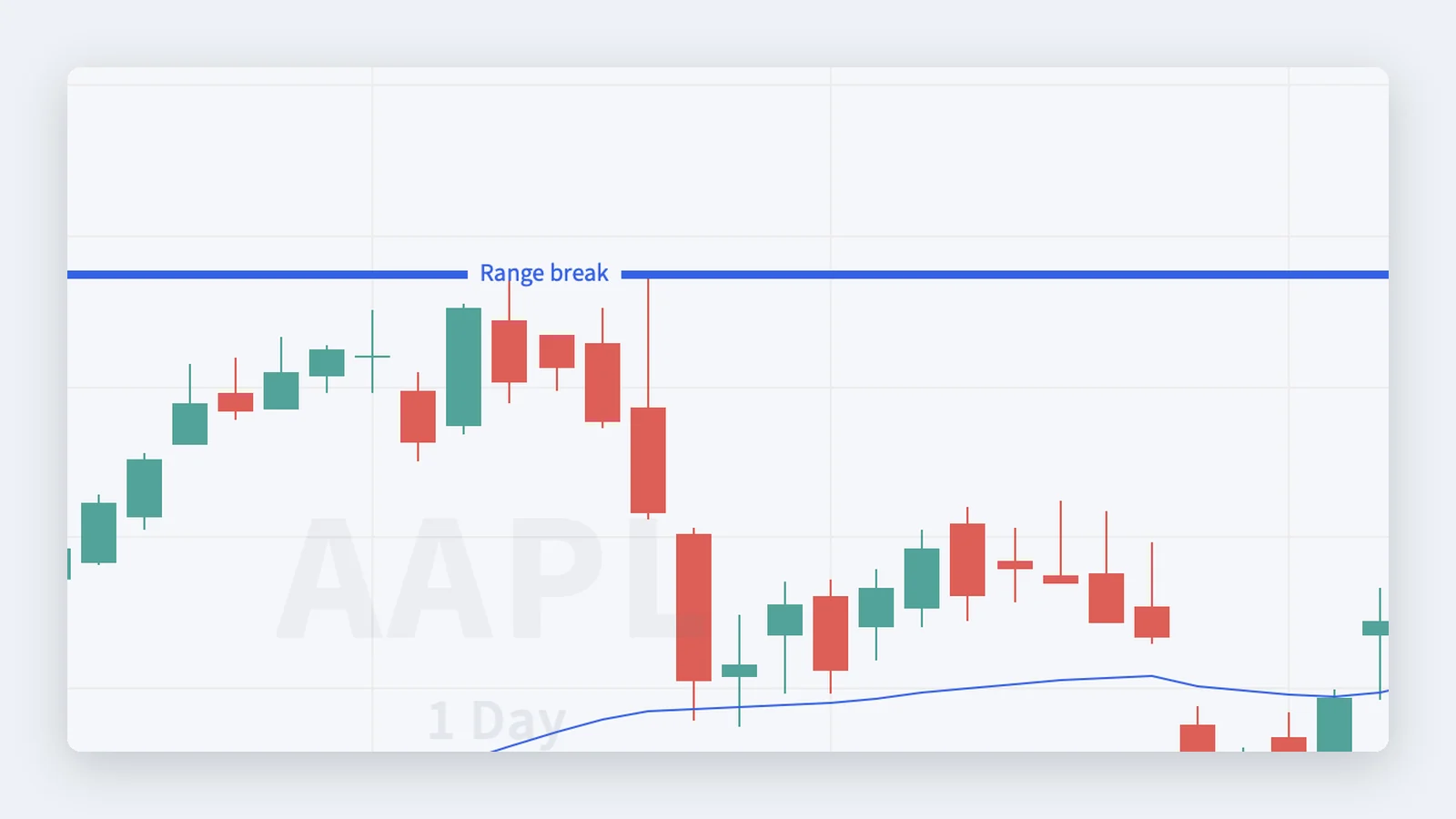
Strong traders still break the loop in predictable ways. They track outcomes instead of decisions. They change too many rules at once. They keep constraints in their head. They confuse activity with iteration.
If your review is mostly P&L commentary, you are measuring noise. Process quality has to be visible first. The rule is simple: diagnose behavior before diagnosing market conditions.
Externalized rules matter because stress destroys memory-based discipline. What is not written and enforced usually turns into optional behavior.
How to Start This Week
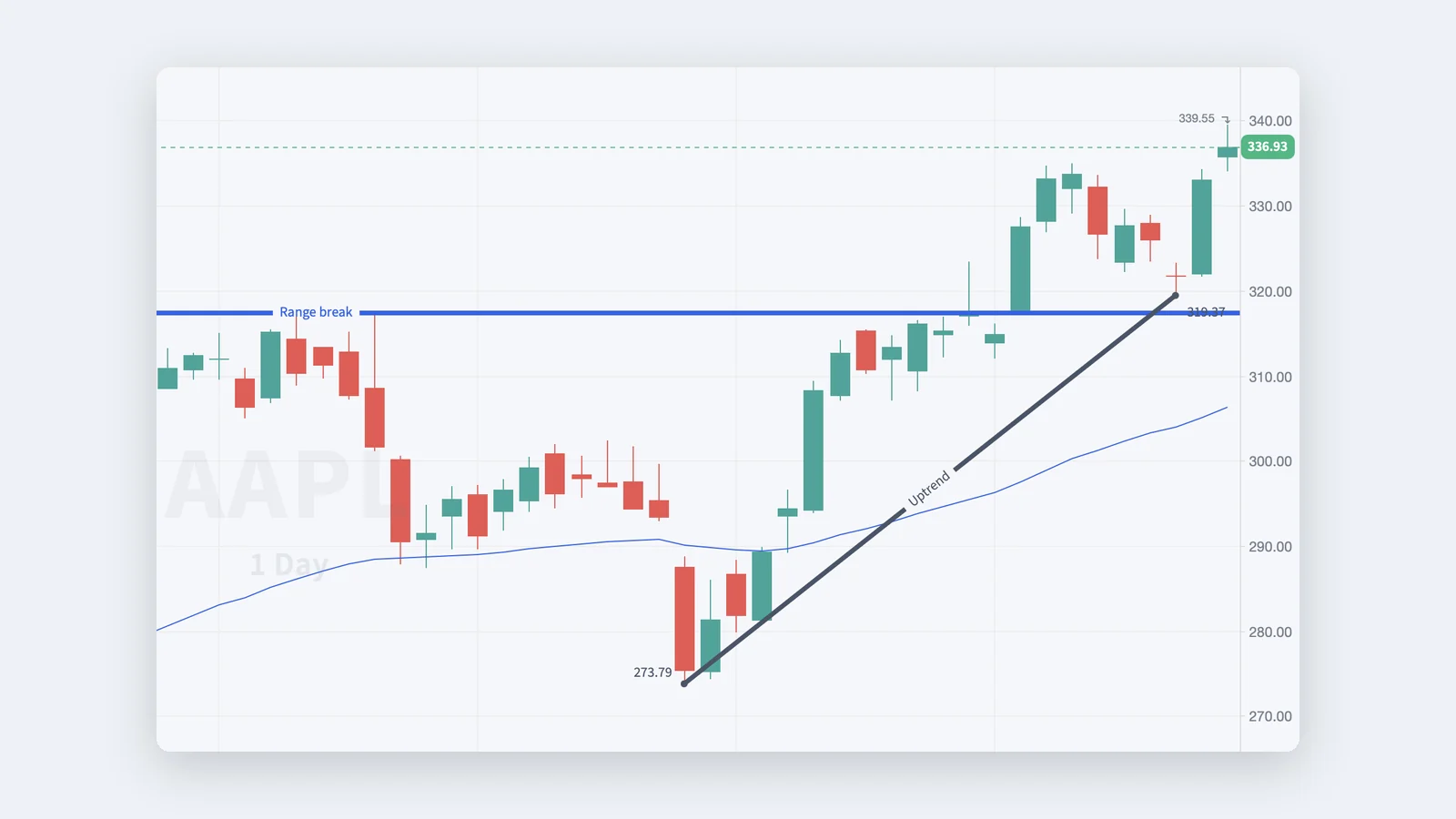
Run a seven-day sprint. Define your top two setups. Track rule adherence on every trade. Do one Friday review with evidence, not memory. Pick one recurring mistake to eliminate. Convert one upgraded rule into a checklist item.
If you want a practical implementation path, start with AI-Assisted Rule Drafting to Broker API Deployment: Codex + Claude Workflow for Traders. For measurable governance, use Edge Scorecard: 12 Metrics to Prove Your Trading System Is Actually Improving.
Small loops that actually run are better than complex systems you abandon after one volatile week.
Closing: From Insight to Execution
The future is not more signals. It is faster process iteration with AI-native workflows.
Your edge starts with you. MyLinedChart integrates chart analysis directly with Claude Code and ChatGPT Codex, helping you operationalize your edge and continuously improve it.
A good signal can win a trade. A strong loop can change a career.
FAQ
Do I need advanced coding skills to run this loop?
No. The core is process discipline. Claude Code and ChatGPT Codex accelerate review and systematization, but the loop works when capture and rule upgrades are consistent.
Is this anti-indicator or anti-AI signal tools?
No. Visualization and signal tools are useful layers. The point is that they do not replace the execution-improvement loop where long-term edge compounds.
What should I implement first?
Start with one setup family, capture planned-versus-executed decisions for five sessions, then upgrade one rule based on repeated evidence.
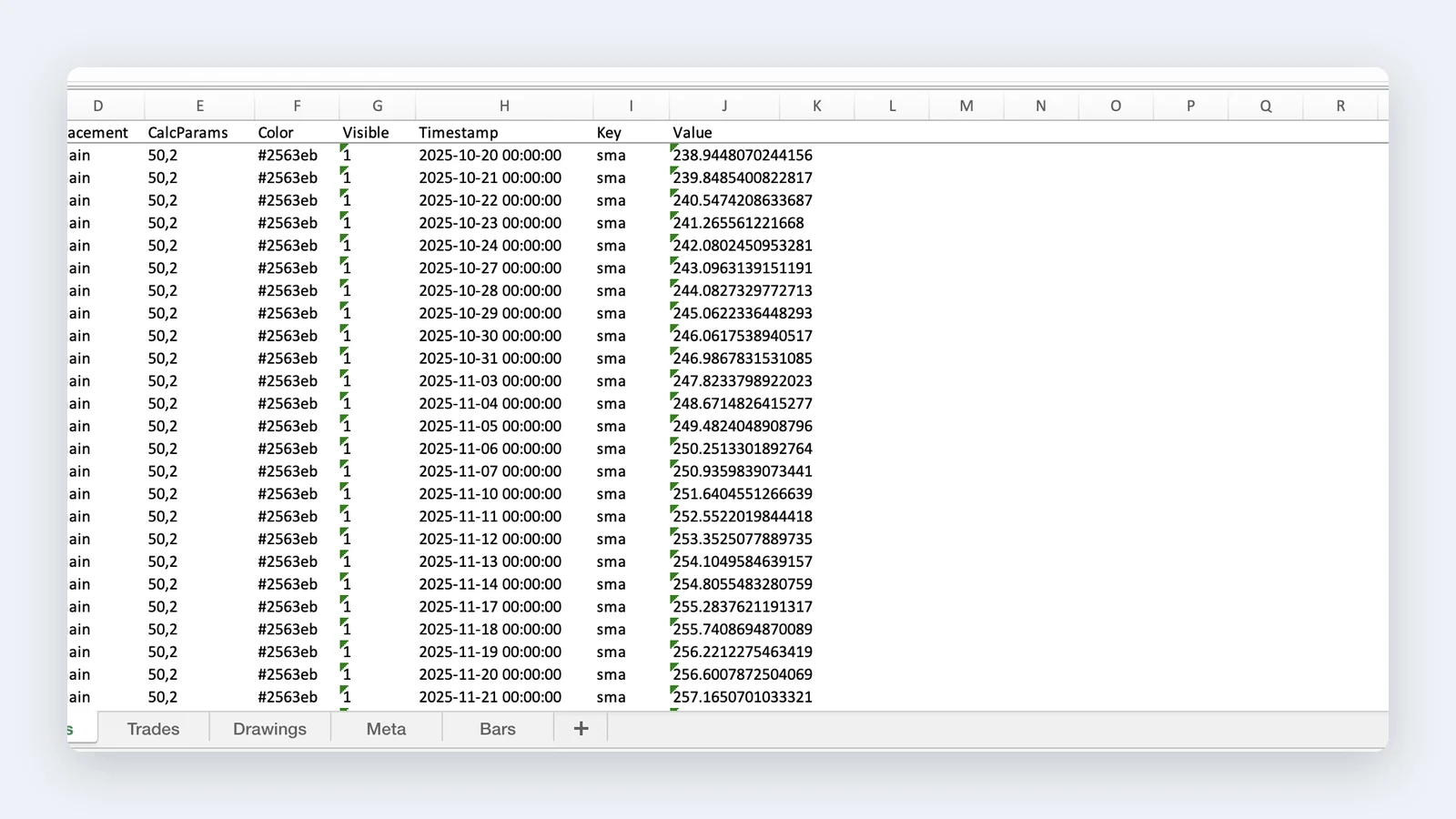
Sample Structured Chart-Data Exports
Review how chart drawings, annotations, OHLC, volume, and execution context become reusable structured data.