
Article
Your Edge Starts With You, but the Data Layer Decides Whether It Actually Compounds
Most traders have enough market insight but weak process continuity. This article shows how a structured data layer closes the analysis-execution-review gap so improvements survive pressure and compound over time.

The phrase your edge starts with you data layer captures the core shift from signal hunting to process ownership. Traders often know what good execution looks like, but they cannot preserve context well enough to iterate quickly. Without a stable data layer, review quality drifts and upgrades remain vague. Your edge starts with you, and it compounds when decision context is captured, reviewed, and operationalized on a fixed cadence.
Why Your Edge Starts With You Data Layer Is a Critical Trading Question
Many traders fail to compound not because they lack setups, but because their context does not survive into weekly review.
They execute from insight, then review from memory, and lose causal clarity between plan and behavior.
That creates repeated mistakes disguised as market randomness.
A structured data layer closes that loop by preserving what actually happened at decision time.
The Three Leaks That Stop Compounding
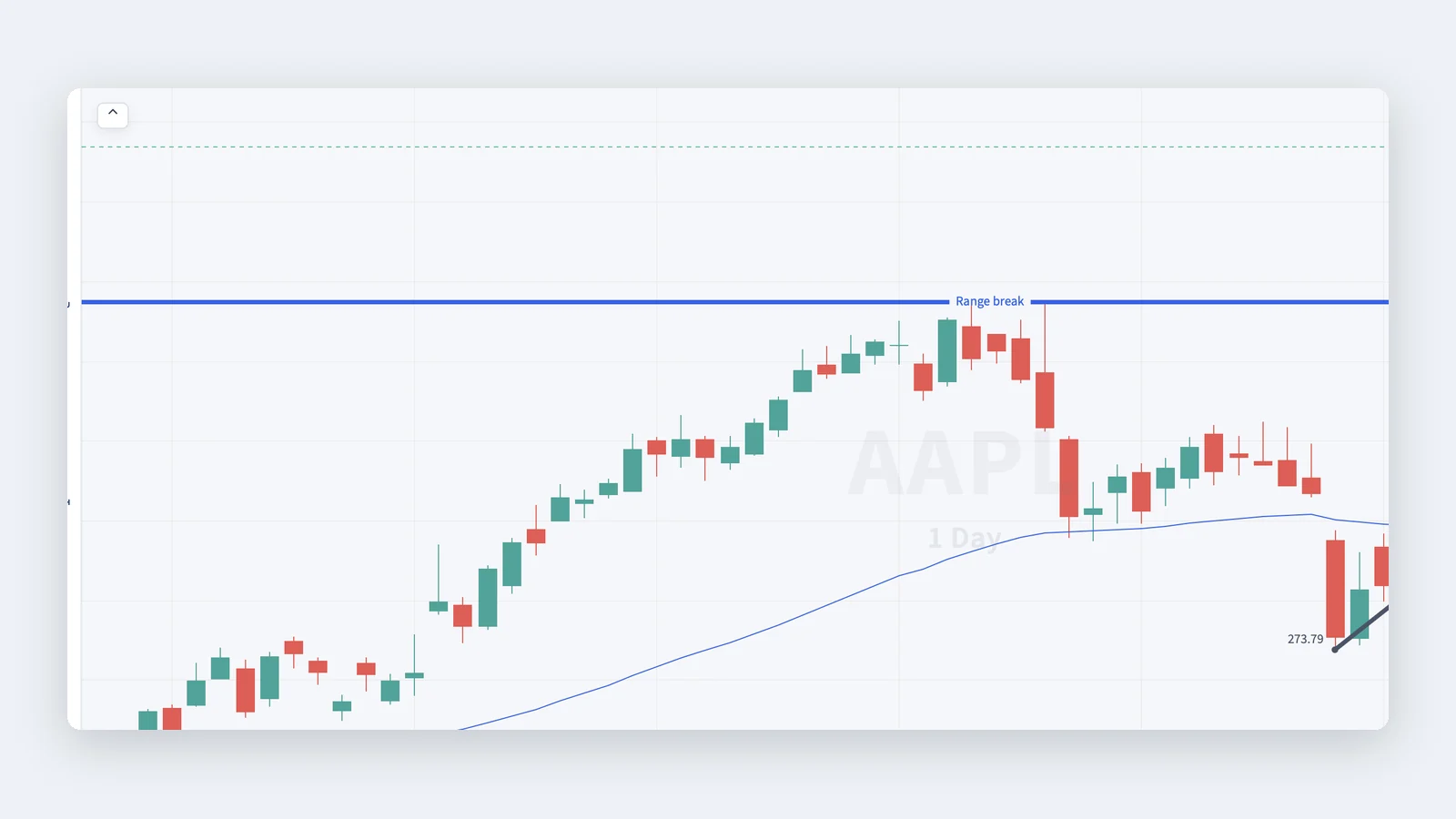
Capture leak: high-value context is never stored in a queryable structure.
Execution leak: live behavior drifts from plan without explicit deviation logging.
Review leak: outcome narratives replace behavior diagnostics and slow rule evolution.
For the full operator framework, pair this with Your Edge Starts With You: How Traders Turn Good Reads Into Repeatable Results.
Memory-Based Trading vs Structured Context
Memory-based trading feels fast in-session but creates reconstruction noise in review.
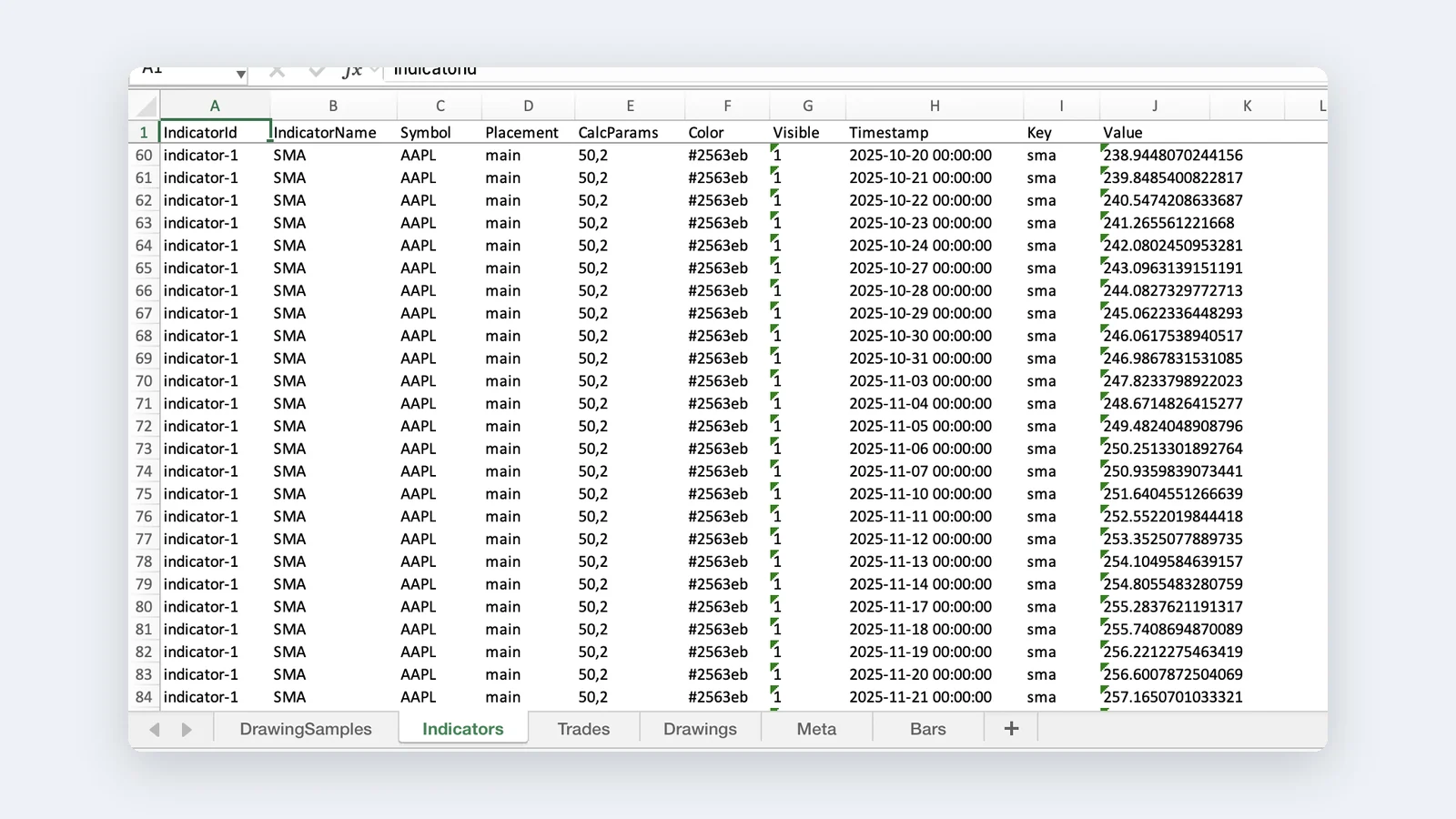
Structured context keeps setup state, invalidation logic, execution outcome, and adherence results in one comparable schema.
When context is structured, drift clusters become measurable and rule upgrades become evidence-backed.
For signal drift interpretation, compare with AI Trading in 2026: Use Claude Code and ChatGPT Codex to Improve Process, Not Predict Price.
Trader Operator Loop: A 7-Day Loop That Compounds
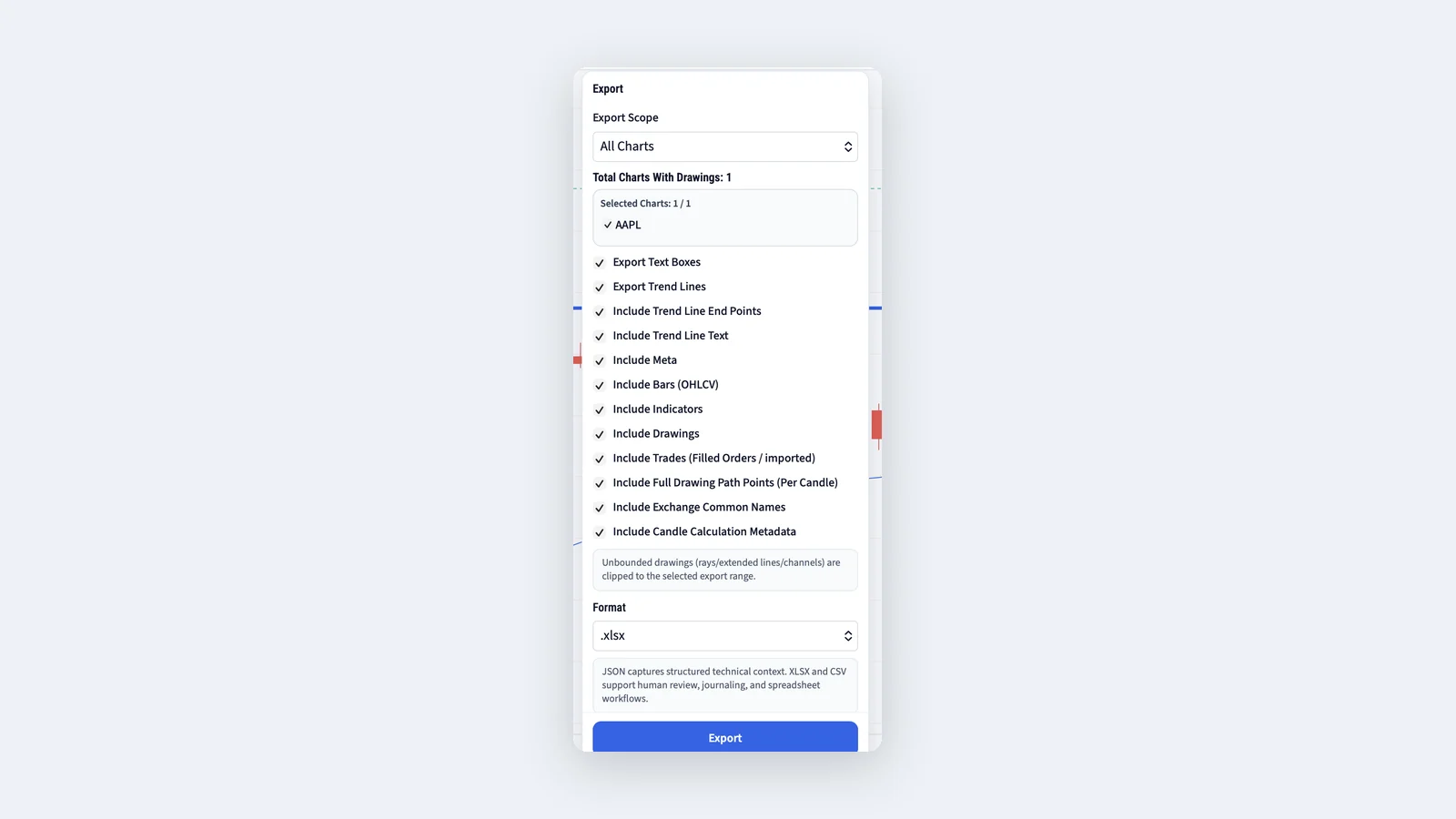
Daily, capture complete decision rows and patch missing fields before memory decays.
Friday, classify valid losses versus avoidable losses and isolate one recurring process leak.
Weekend, define one concrete rule change and operationalize it in checklist language.
Measure loop quality with Edge Scorecard: 12 Metrics to Prove Your Trading System Is Actually Improving.
- Capture complete decision context daily.
- Classify process leaks weekly.
- Upgrade one rule per cycle.
- Track adherence delta month over month.
AI Amplifies Process Quality
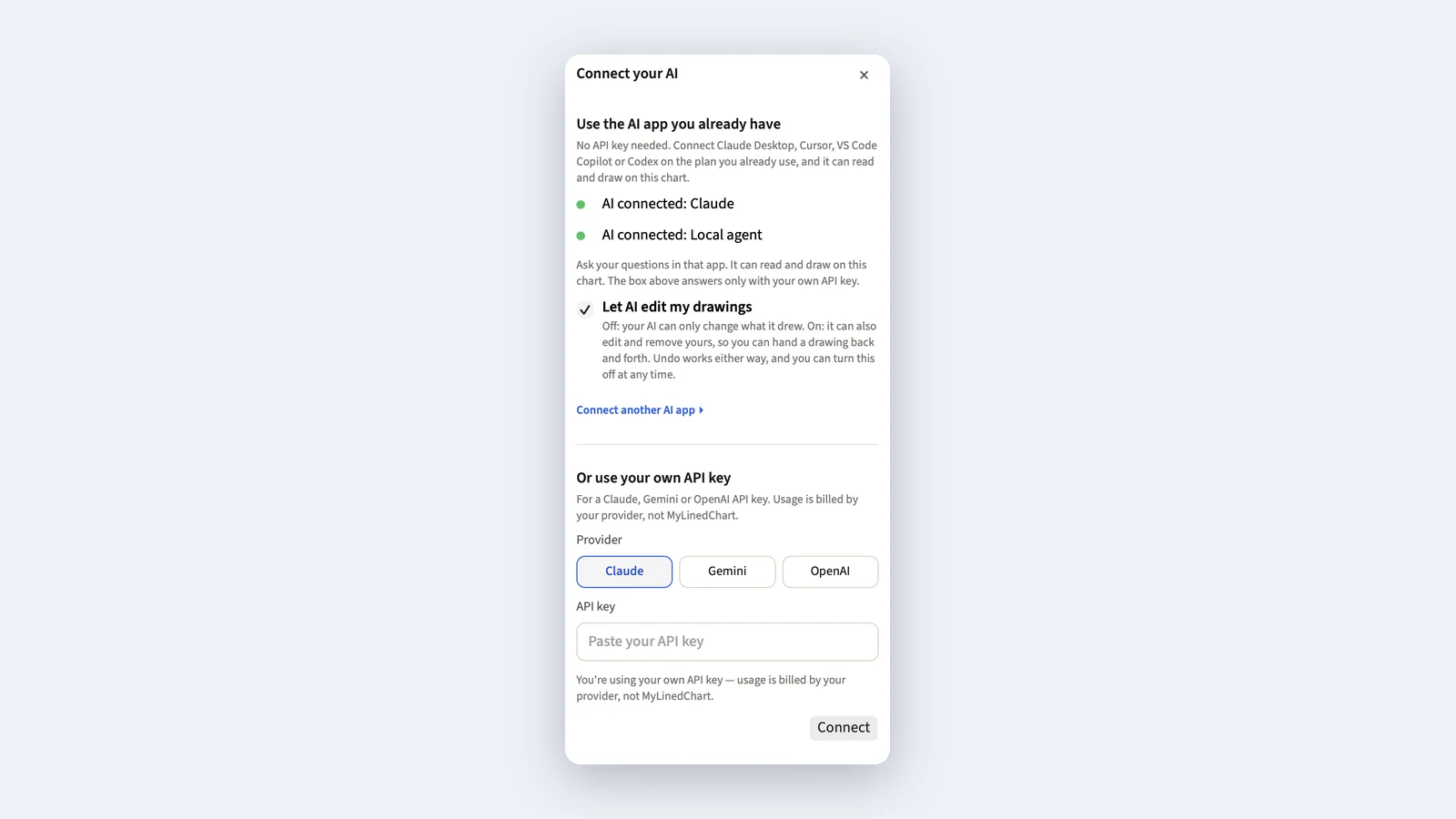
Weak process plus AI usually creates faster noise, not faster improvement.
Strong process plus AI creates stronger edge because signals are filtered through stable context and adherence controls.
Trying to measure everything at once lowers consistency, and changing schemas too often breaks comparability across weeks.
7-Day Starter Sprint
Focus on one setup family and enforce complete capture for every trade decision this week.
Run one Friday leak audit and identify one high-cost drift behavior.
Implement one control rule next week and keep all other variables stable.
Closing: Compounding Is a Data and Discipline Loop
Signals can improve entries, but data-layer continuity improves traders.
Your edge starts with you, and a stable operator loop is what turns that edge into long-horizon compounding.
To implement this with export-ready chart workflows, see MyLinedChart product page and Start your first week for free.
FAQ
What does your edge starts with you data layer mean in practical terms?
It means preserving decision context in a stable schema so analysis, execution, and review stay connected and improvable week over week.
Is this anti-indicator or anti-AI signal workflows?
No. Indicators and AI can be powerful inputs; this framework ensures those inputs lead to measurable process improvements.
What should I implement first?
Implement one complete decision row schema for one setup family and run one full weekly review loop before scaling complexity.
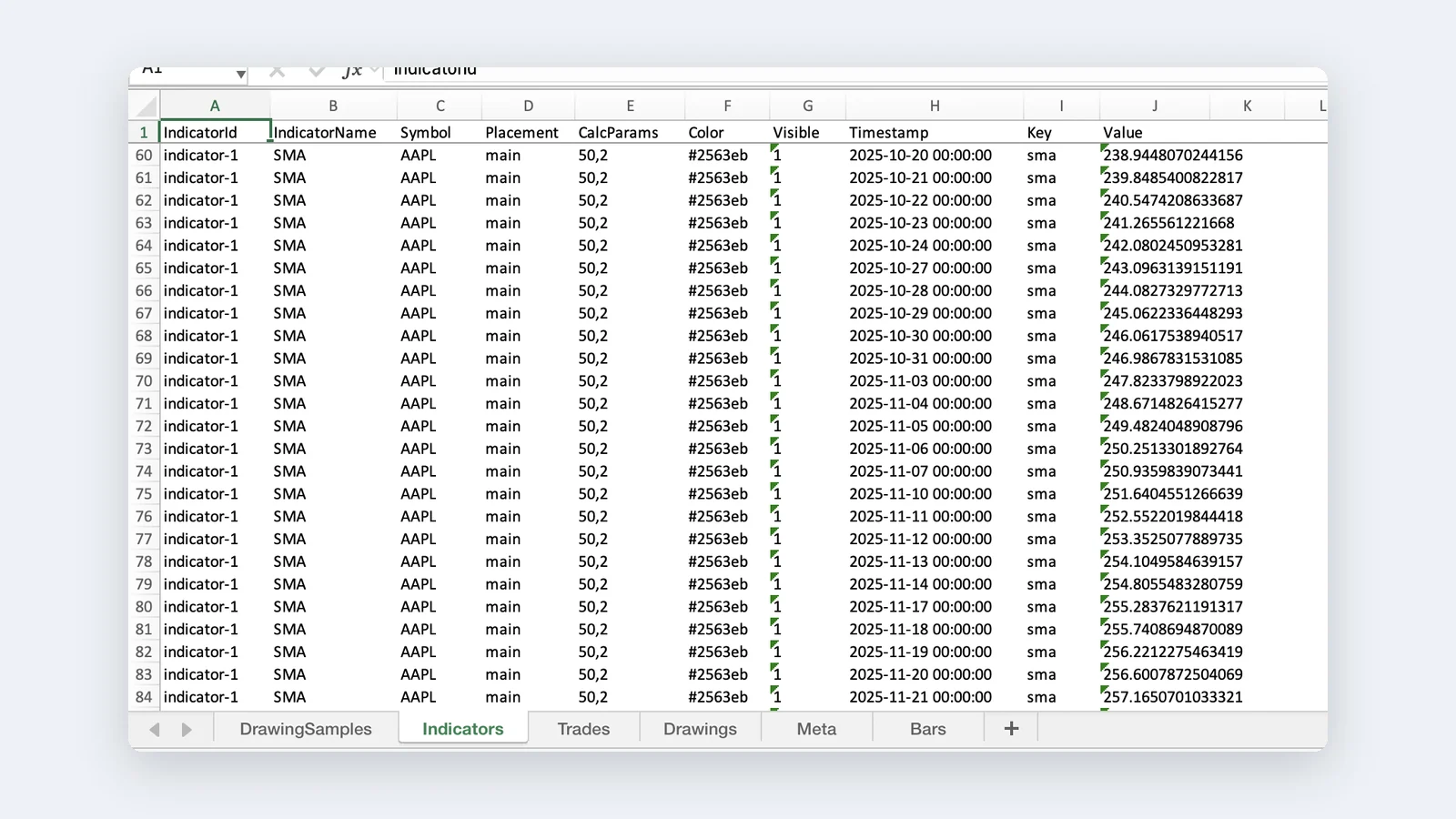
Sample Structured Chart-Data Exports
Review how chart drawings, annotations, OHLC, volume, and execution context become reusable structured data.