
Article
What Is an A+ Trade Setup? A Checklist for Traders Who Overtrade
Define an A+ trade setup before entry with a practical checklist that keeps overtrading, almost-setups, and hindsight excuses out of the process.

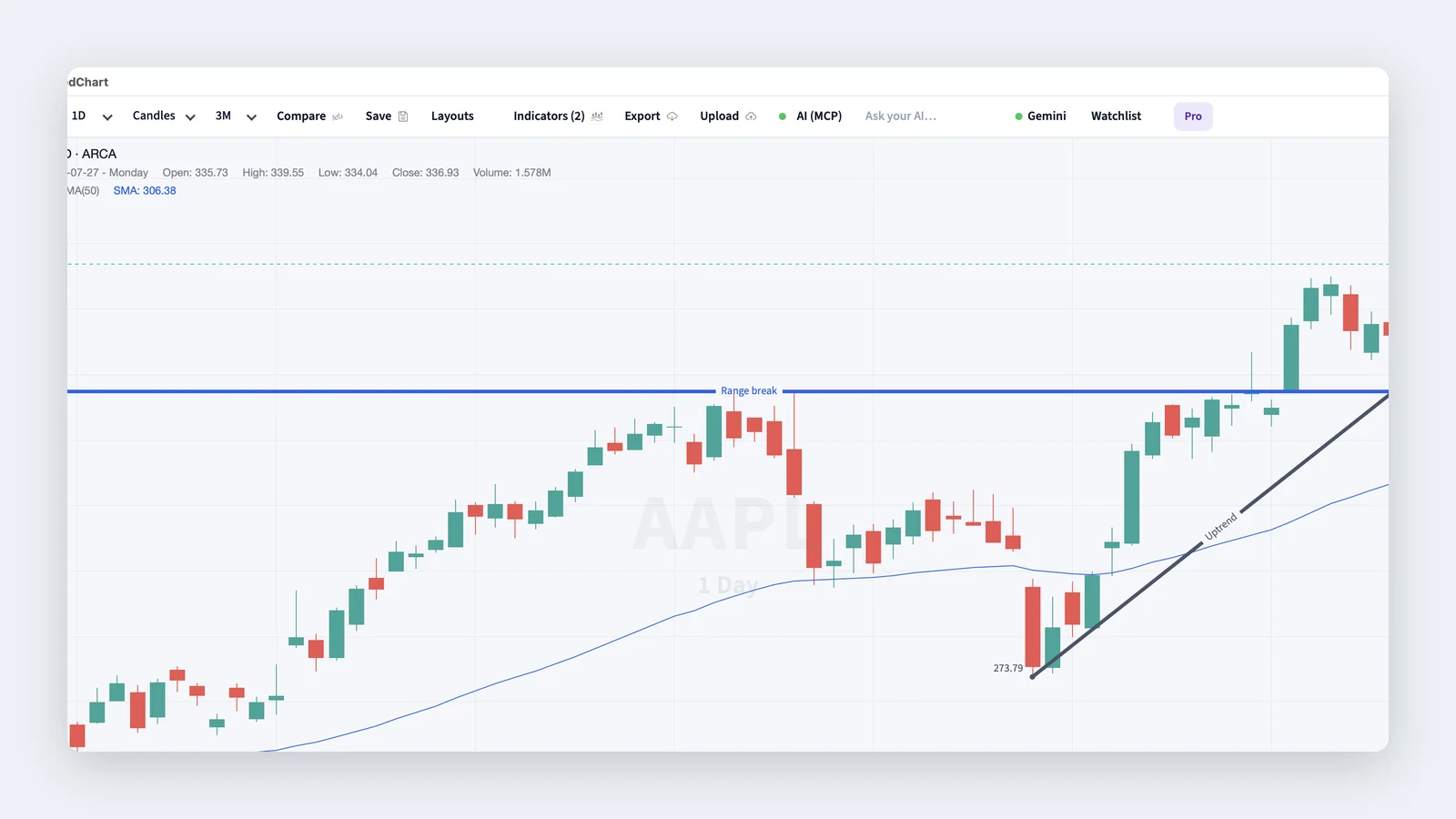
The dangerous trade is not always the ugly one. Sometimes it looks close enough: the level is almost right, the trigger is almost there, and the market feels like it might go without you. That is where many traders turn a plan into a guess.
Short Answer
An A+ trade setup is a trade that checks every required box before entry: context, location, trigger, risk, invalidation, and emotional state. It is not A+ because it wins. It is A+ because the trader can prove it met the plan before the order was sent.
If a setup is missing one required condition, it is not A+. It belongs on the watchlist, in the rejected setup log, or outside the session entirely.
The Real Problem
Most traders do not only trade their best setup. They trade their best setup, the almost version of that setup, the late version, the revenge version, and the boredom version. Then the journal says the strategy is inconsistent.
The strategy may not be the problem. The sample is contaminated. A trader cannot evaluate an A+ process if B and C trades are mixed into the same bucket.
A+ Setup Checklist
Keep the checklist brutally simple. It has to work while the market is moving, not only during weekend review.
| Condition | A+ Requirement | B/C Warning | Review Field |
|---|---|---|---|
| Context | Market condition supports the setup | Setup appears in a messy or mismatched regime | context_state |
| Location | Price is at the planned level or zone | Entry is late or floating in the middle | decision_level |
| Trigger | The exact trigger has fired | You are anticipating or chasing | trigger_status |
| Risk | Stop and size fit the plan | Stop is too wide or size is improvised | planned_risk |
| Invalidation | You know where the idea is wrong | You are hoping to manage it later | invalidation_rule |
| State | You are calm enough to follow the rule | FOMO, boredom, or revenge is present | pressure_tag |
What to Track in MyLinedChart
MyLinedChart helps because the A+ rule should not live only in your head. Mark the level, write the trigger condition, tag the setup grade, and preserve whether the trade was taken, skipped, or rejected.
That makes the review cleaner. You can compare actual A+ trades against skipped A+ trades and rejected B/C trades instead of relying on memory.
- Setup grade: A+, B, C, or reject.
- Required condition that was missing.
- Taken, skipped, or rejected status.
- Chart level and trigger note.
- One sentence explaining the decision.
Common Mistake
The common mistake is grading the trade after the outcome. A winning chase becomes A+. A losing valid setup becomes bad. That destroys the review loop.
Grade before entry. Review after exit. Keep those two steps separate.
Next Step
Write your A+ checklist before the next session and use it for 20 candidate trades. Do not change the checklist during the sample.
Then continue with Why B and C Trades Destroy a Good Trading System to understand why almost-setups damage a good system.
FAQ
What is an A+ trade setup?
An A+ trade setup is a trade that meets every required pre-entry condition: market context, location, trigger, risk, invalidation, and trader state.
Is an A+ trade always a winning trade?
No. A+ describes process quality before entry. A losing trade can still be A+ if it followed the plan completely.
How many checklist items should an A+ setup have?
Start with five or six items. The checklist should be short enough to use live and specific enough to review later.
Sample Structured Chart-Data Exports
Review how chart drawings, annotations, OHLC, volume, and execution context become reusable structured data.